Why Ubud Is the Heart of Bali Culture and Nature
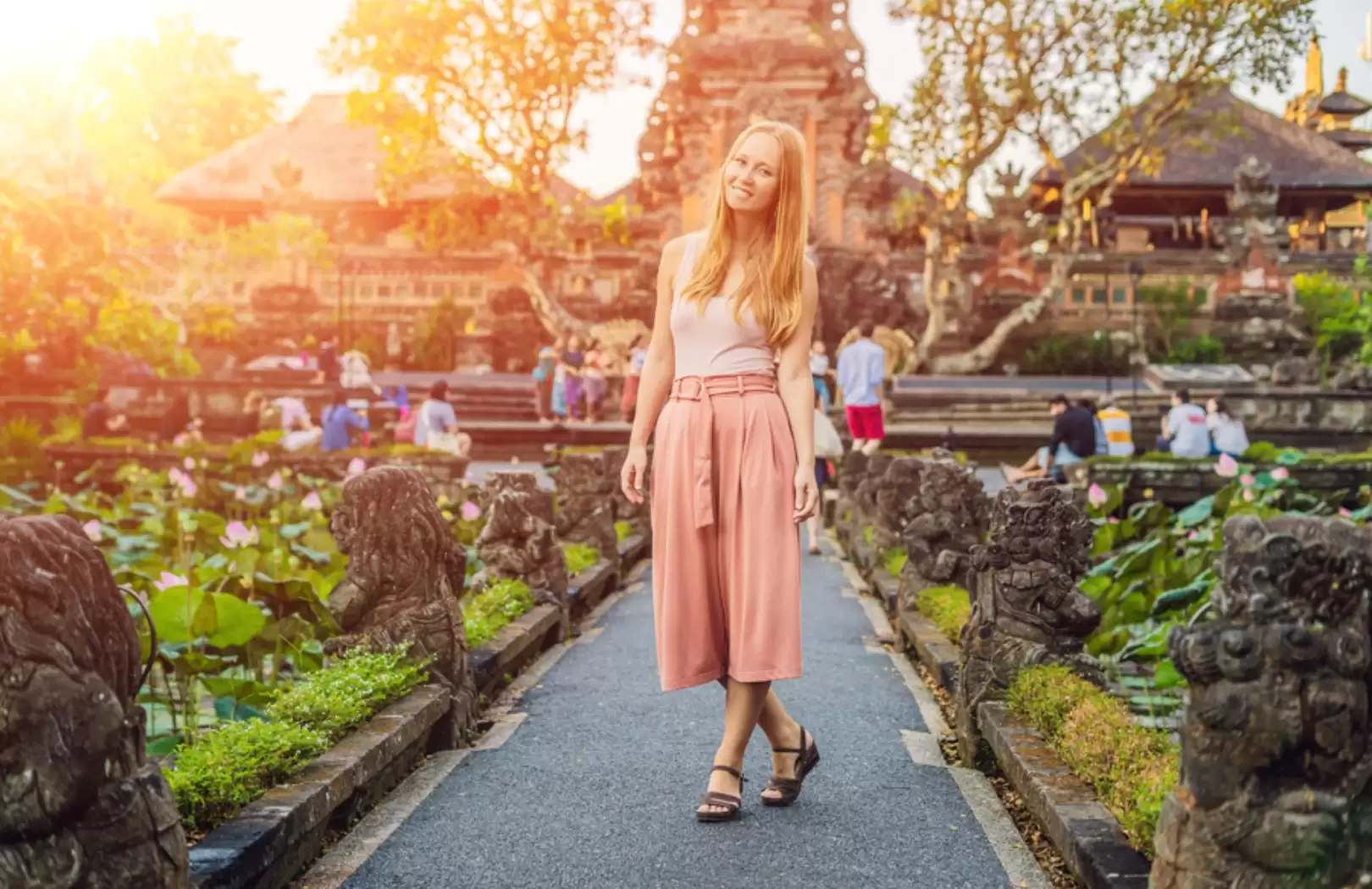
Ubud has long been recognized as the cultural and spiritual heart of Bali. Nestled in the island’s central highlands, this vibrant town offers a distinct atmosphere that feels worlds apart from the bustling beach resorts of the south. Surrounded by lush jungles, rice terraces, and sacred rivers, Ubud presents a harmonious balance between culture and nature that continues to attract travelers from around the world.
For those seeking more than sun and sand, Ubud provides depth, authenticity, and meaningful experiences. It is a place where daily life, tradition, and the natural environment remain deeply connected. This unique blend is what makes Ubud not just a destination, but a defining part of the Bali experience.
A Living Center of Balinese Culture
Ubud’s reputation as a cultural hub is deeply rooted in its history. For centuries, the area has been home to artists, dancers, musicians, and spiritual leaders who have helped preserve and shape Balinese traditions. Culture in Ubud is not displayed solely for visitors; it is lived and practiced every day.
Traditional dance performances remain an important part of community life. Dances such as Legong, Barong, and Kecak are performed regularly in temples and cultural venues, often accompanied by live gamelan music. These performances tell stories from Hindu epics and local folklore, offering visitors insight into Bali’s spiritual beliefs and values.
The Ubud Palace stands as one of the town’s most important landmarks. Once the residence of the royal family, it continues to function as a cultural center where ceremonies and performances are held. Nearby temples and shrines further emphasize Ubud’s role as a spiritual focal point, with offerings and rituals visible throughout the day.
Art and Craft Traditions That Endure
Art has always been central to Ubud’s identity. The town gained international recognition in the early 20th century when Balinese artists began blending traditional styles with new influences. Today, Ubud remains a center for painting, sculpture, and handicrafts.
Local art galleries and museums showcase both classical and contemporary Balinese works. Visitors can explore museums dedicated to traditional painting styles, as well as modern galleries that highlight evolving artistic expression. Beyond formal spaces, art is visible in everyday life, from temple carvings to decorative offerings placed on the streets.
Surrounding villages contribute to Ubud’s creative reputation. Areas such as Mas, Celuk, and nearby artisan communities are known for wood carving, silver jewelry, and batik production. These crafts are often created using techniques passed down through generations, preserving cultural heritage while supporting local livelihoods.
Nature at the Heart of Everyday Life
While culture defines Ubud’s soul, nature shapes its atmosphere. The town is surrounded by fertile landscapes that reflect Bali’s agricultural traditions. Rice fields stretch across valleys, maintained by the ancient Subak irrigation system that has sustained Balinese farming for over a thousand years.
The Tegalalang Rice Terraces are among the most iconic examples of this system. Their layered design follows the natural contours of the land, demonstrating a deep respect for environmental balance. Recognized as a UNESCO cultural heritage, the Subak system reflects a philosophy that connects humans, nature, and spirituality.
Ubud’s natural environment extends beyond rice fields. Dense jungles, winding rivers, and hidden waterfalls create a tranquil setting ideal for exploration and reflection. Many travelers enjoy walking trails, cycling routes, and river activities that allow them to experience Bali’s interior landscapes up close.
A Destination for Wellness and Mindful Travel
Ubud has also earned a global reputation as a center for wellness and mindful living. The peaceful surroundings and spiritual energy of the area make it an ideal place for relaxation, self-discovery, and healing. This has led to the growth of yoga studios, meditation centers, and holistic spas throughout the town.
Yoga retreats attract visitors from all over the world, offering programs that range from beginner classes to advanced teacher training. Meditation spaces and wellness centers provide opportunities to reconnect with the mind and body, often guided by experienced practitioners.
Complementing these practices is Ubud’s focus on healthy living. Organic cafes, vegetarian restaurants, and farm-to-table dining options are widely available. Many establishments emphasize locally sourced ingredients and traditional recipes, reinforcing the connection between wellness and the natural environment.
A Slower, More Meaningful Pace of Travel
Unlike Bali’s coastal areas, which often revolve around nightlife and entertainment, Ubud offers a slower and more reflective pace. Mornings may begin with temple offerings, quiet walks through rice fields, or yoga sessions overlooking the jungle. Evenings are often spent enjoying cultural performances or relaxed dining experiences.
This rhythm appeals to travelers who want to immerse themselves rather than rush from one attraction to another. Ubud encourages observation, participation, and understanding, making it a destination where visitors often feel more connected to the place and its people.
Easy Access to Bali’s Key Experiences
Another reason Ubud is considered the heart of Bali is its central location. From Ubud, travelers can easily reach many of the island’s most popular attractions. Day trips to volcanoes, waterfalls, temples, and traditional villages are convenient and well-organized.
Adventure activities such as rafting, cycling, and trekking often begin near Ubud, taking advantage of the area’s rivers and landscapes. Cultural tours frequently use Ubud as a base for exploring surrounding regions, making it an ideal hub for sightseeing and activities.
An Essential Destination for First-Time Visitors
For first-time visitors to Bali, Ubud offers a comprehensive introduction to the island’s identity. It combines culture, nature, spirituality, and daily life in a way that few destinations can match. Whether travelers stay for a single day or several nights, Ubud provides experiences that shape their understanding of Bali.
Ubud is not just a place to visit, but a place to experience. Its ability to balance tradition and modern travel needs makes it timeless and relevant. For many travelers, memories of Ubud become the defining moments of their Bali journey.
Conclusion
Ubud stands at the crossroads of Bali’s culture and nature. Its temples, arts, landscapes, and wellness traditions reflect the island’s deeper values and philosophies. More than a destination, Ubud represents the essence of Bali itself.
For travelers seeking authenticity, serenity, and meaningful exploration, Ubud remains the heart of Bali. It is a place that invites visitors to slow down, observe, and connect, leaving a lasting impression long after the journey ends.